


 )
or https:// means you've safely connected to the .gov website. Share sensitive information only on official, secure websites.
)
or https:// means you've safely connected to the .gov website. Share sensitive information only on official, secure websites.


Internal Revenue Bulletin: 2026-12
March 16, 2026
These synopses are intended only as aids to the reader in identifying the subject matter covered. They may not be relied upon as authoritative interpretations.
General Rules and Specifications for Substitute Form 941, Schedule B (Form 941), Schedule D (Form 941), Schedule R (Form 941), and Form 8974.
This revenue procedure provides general rules and specifications from the IRS for paper and computer-generated substitutes for Form 941; Schedule B (Form 941); Schedule D (Form 941); Schedule R (Form 941); and Form 8974. This revenue procedure supersedes Revenue Procedure 2024-11, 2024-13 I.R.B. 721.
Notice 2026-17 announces the Department of Treasury and the IRS’s intent to issue proposed regulations under section 987 regarding the determination of taxable income or loss and foreign currency gain or loss with respect to a qualified business unit. Specifically, Notice 2026-17 announces forthcoming proposed regulations that would permit taxpayers to elect the equity and basis pool method for the computation of unrecognized section 987 gain or loss, in addition to announcing other simplifying rules related to the final section 987 regulations published in December 2024. Notice 2026-17 further announces forthcoming proposed regulations that would provide an election under which controlled foreign corporations would not compute or recognize foreign currency gain or loss under section 987(3), except in connection with certain inbound transactions. Publication is anticipated to occur on March 16, 2026.
Provide America’s taxpayers top-quality service by helping them understand and meet their tax responsibilities and enforce the law with integrity and fairness to all.
The Internal Revenue Bulletin is the authoritative instrument of the Commissioner of Internal Revenue for announcing official rulings and procedures of the Internal Revenue Service and for publishing Treasury Decisions, Executive Orders, Tax Conventions, legislation, court decisions, and other items of general interest. It is published weekly.
It is the policy of the Service to publish in the Bulletin all substantive rulings necessary to promote a uniform application of the tax laws, including all rulings that supersede, revoke, modify, or amend any of those previously published in the Bulletin. All published rulings apply retroactively unless otherwise indicated. Procedures relating solely to matters of internal management are not published; however, statements of internal practices and procedures that affect the rights and duties of taxpayers are published.
Revenue rulings represent the conclusions of the Service on the application of the law to the pivotal facts stated in the revenue ruling. In those based on positions taken in rulings to taxpayers or technical advice to Service field offices, identifying details and information of a confidential nature are deleted to prevent unwarranted invasions of privacy and to comply with statutory requirements.
Rulings and procedures reported in the Bulletin do not have the force and effect of Treasury Department Regulations, but they may be used as precedents. Unpublished rulings will not be relied on, used, or cited as precedents by Service personnel in the disposition of other cases. In applying published rulings and procedures, the effect of subsequent legislation, regulations, court decisions, rulings, and procedures must be considered, and Service personnel and others concerned are cautioned against reaching the same conclusions in other cases unless the facts and circumstances are substantially the same.
The Bulletin is divided into four parts as follows:
Part I.—1986 Code. This part includes rulings and decisions based on provisions of the Internal Revenue Code of 1986.
Part II.—Treaties and Tax Legislation. This part is divided into two subparts as follows: Subpart A, Tax Conventions and Other Related Items, and Subpart B, Legislation and Related Committee Reports.
Part III.—Administrative, Procedural, and Miscellaneous. To the extent practicable, pertinent cross references to these subjects are contained in the other Parts and Subparts. Also included in this part are Bank Secrecy Act Administrative Rulings. Bank Secrecy Act Administrative Rulings are issued by the Department of the Treasury’s Office of the Assistant Secretary (Enforcement).
Part IV.—Items of General Interest. This part includes notices of proposed rulemakings, disbarment and suspension lists, and announcements.
The last Bulletin for each month includes a cumulative index for the matters published during the preceding months. These monthly indexes are cumulated on a semiannual basis, and are published in the last Bulletin of each semiannual period.
This notice announces that the Department of the Treasury (Treasury Department) and the Internal Revenue Service (IRS) intend to issue proposed regulations (forthcoming proposed regulations) under section 987. The Treasury Department and IRS expect the forthcoming proposed regulations to include proposed rules that are consistent with the rules described in sections 3 through 5 of this notice. These rules are intended to simplify the operation of the regulations under section 987, reduce compliance burdens, and refine the scope of certain rules under section 987 to limit their effect on ordinary course transactions.
In particular, the rules described in section 3 of this notice would permit taxpayers to determine taxable income or loss and foreign currency gain or loss with respect to a qualified business unit (QBU) using a method that is substantially similar to the method provided in regulations proposed in 1991. In addition, the rules described in section 4 of this notice would (i) narrow the scope of the loss suspension rules; (ii) simplify the loss-to-the-extent-of-gain rule under which suspended section 987 loss is recognized; (iii) clarify the definition of a successor for purposes of the deferral rules; and (iv) expand the definition of a section 987 hedging transaction.
Additionally, the rules described in section 5 of this notice would provide an election under which controlled foreign corporations (within the meaning of section 957(a)) (CFCs) would not compute or recognize foreign currency gain or loss under section 987(3), except in connection with certain inbound transactions. The rules relating to this election will be described more fully in future guidance. The Treasury Department and the IRS also intend to issue additional guidance relating to the treatment of frequently recurring disregarded transactions and net investment hedges for purposes of section 987.
.01 Section 987.
Section 987 generally applies to taxpayers that own a QBU with a functional currency other than the functional currency of the QBU’s owner (section 987 QBU). Section 987(1) and (2) provide rules for determining and translating taxable income or loss with respect to a section 987 QBU (section 987 taxable income or loss). In addition, under section 987(3), taxpayers must make proper adjustments (as prescribed by the Secretary) for transfers of property between QBUs of the taxpayer having different functional currencies.
Under section 987(3), the owner of a section 987 QBU recognizes foreign currency gain or loss (section 987 gain or loss) when the section 987 QBU makes a remittance. Section 989(c) provides that the Secretary shall prescribe such regulations as may be necessary or appropriate to carry out the purposes of subpart J of subchapter N of Chapter 1 of Subtitle A of the Code (which includes section 987), including regulations limiting the recognition of foreign currency loss on certain remittances from QBUs.
.02 The 1991 proposed regulations.
On September 25, 1991, the Treasury Department and the IRS published proposed regulations under section 987 in the Federal Register (56 FR 48457) (1991 proposed regulations). Under the 1991 proposed regulations, section 987 taxable income or loss would generally be translated into the taxpayer’s functional currency at the average exchange rate for the taxable year. See § 1.987-1(b) of the 1991 proposed regulations. Taxpayers would determine section 987 gain or loss by maintaining an equity pool in the QBU’s functional currency and a basis pool in the taxpayer’s functional currency. The equity and basis pools would be adjusted for taxable income or loss of the QBU as well as for contributions and remittances. See § 1.987-2(c) of the 1991 proposed regulations.
The 1991 proposed regulations used a daily netting convention to determine the amount of a remittance. See § 1.987-2(b)(2)(i) and (b)(4) of the 1991 proposed regulations. Thus, the remittance amount would be separately computed on each day of the taxable year in which the QBU made a net transfer to the taxpayer. Upon each remittance, the taxpayer would recognize section 987 gain or loss equal to the difference between the value of the remittance in the taxpayer’s functional currency (translated at the spot rate on the date of the remittance) and the portion of the basis pool attributable to the remittance. See § 1.987-2(d)(1) of the 1991 proposed regulations.
.03 The 2006 proposed regulations and the 2016 final regulations.
On September 7, 2006, the Treasury Department and the IRS withdrew the 1991 proposed regulations and published new proposed regulations (2006 proposed regulations) in the Federal Register (71 FR 52876). The 2006 proposed regulations were finalized, with modifications (2016 final regulations), on December 8, 2016 (TD 9794, 81 FR 88806).
.04 The 2024 final regulations.
(1) Overview. On November 14, 2023, the Treasury Department and the IRS published proposed regulations (REG-132422-17) under sections 861, 985, 987, 988, 989, and 1502 (2023 proposed regulations) in the Federal Register (88 FR 78134). The 2023 proposed regulations proposed to modify the 2016 final regulations. On December 11, 2024, the Treasury Department and the IRS published Treasury Decision 10016 in the Federal Register (89 FR 100138), which finalized the 2023 proposed regulations, with modifications (2024 final regulations). The 2024 final regulations generally apply to taxable years beginning after December 31, 2024, but taxpayers can choose to apply the 2024 final regulations to earlier taxable years ending after November 9, 2023. See § 1.987-15. The 2024 final regulations are applicable to individuals, domestic corporations, and foreign corporations that are CFCs. Only certain provisions of the 2024 final regulations are applicable to partnerships and S corporations. See § 1.987-7.
(2) Section 987 taxable income or loss and section 987 gain or loss. The 2024 final regulations provide rules for determining section 987 taxable income or loss and section 987 gain or loss recognized with respect to a section 987 QBU. Under § 1.987-3, the owner of a section 987 QBU must determine each item of income, gain, deduction, or loss attributable to the section 987 QBU in the section 987 QBU’s functional currency under Federal income tax principles and then translate these items into the owner’s functional currency at the appropriate exchange rate. Under § 1.987-4, the owner of a section 987 QBU must determine its net unrecognized section 987 gain or loss with respect to a section 987 QBU for each taxable year. The net unrecognized section 987 gain or loss for a taxable year is equal to the sum of (i) the net accumulated unrecognized section 987 gain or loss for all prior taxable years and (ii) the unrecognized section 987 gain or loss for the current taxable year, computed under the ten-step method provided in § 1.987-4(d). Under § 1.987-5, in the taxable year of a remittance, the owner recognizes a portion of the net unrecognized section 987 gain or loss computed under § 1.987-4.
(3) Current rate election. Under the default methodology of the 2024 final regulations, certain items of a section 987 QBU (historic items) must be translated using historic exchange rates for purposes of computing section 987 taxable income or loss and net unrecognized section 987 gain or loss. See § 1.987-1(c)(3) and (e). However, the 2024 final regulations provide an election (current rate election or CRE) under which all items of a section 987 QBU are translated at the current spot rate or yearly average exchange rate. See § 1.987-1(d)(2).
In general, in a taxable year in which a current rate election is in effect, any section 987 loss that would otherwise be recognized as a result of a remittance is treated as suspended section 987 loss (CRE loss suspension rule). See § 1.987-11(c)(1). A similar rule applies to partnerships and S corporations under § 1.987-7(d)(1)(ii) (partnership loss suspension rule). However, under a de minimis exception, these loss suspension rules do not apply in a taxable year in which the amount of section 987 loss that would otherwise be recognized is less than the lesser of (i) $3 million; or (ii) 2 percent of gross income. See § 1.987-11(c)(2). The de minimis exception is applied collectively to all members of the same controlled group.
(4) Recognition of suspended section 987 loss. Suspended section 987 loss is recognized by the owner of a section 987 QBU only to the extent that the owner recognizes section 987 gain in the same taxable year or during a three-year lookback period (loss-to-the-extent-of-gain rule). See § 1.987-11(e). The loss-to-the-extent-of-gain rule is applied separately to the section 987 gain and suspended section 987 loss in each recognition grouping. See § 1.987-11(e)(2). Thus, suspended section 987 loss is not recognized until section 987 gain in the same recognition grouping has been recognized.
(5) Recognition groupings. In general, suspended section 987 loss and section 987 gain are in the same recognition grouping if they have the same source and, in the case of foreign source income, are assigned to the same section 904 category. See § 1.987-11(f)(1). If the owner of a section 987 QBU is a CFC, the recognition groupings are further divided between the following subcategories: (i) tentative tested income; (ii) each separate subpart F income group; (iii) income effectively connected with a U.S. trade or business (ECI) described in section 952(b); and (iv) other income. See § 1.987-11(f)(2).
(6) Section 987 hedging transactions. An owner’s unrecognized section 987 gain or loss with respect to a section 987 QBU is adjusted by the amount of the owner’s hedging gain or loss attributable to a section 987 hedging transaction. See § 1.987-14. A section 987 hedging transaction is defined under § 1.987-14(b) as a net investment hedge with respect to a section 987 QBU for which certain requirements are met. In particular, in order to qualify as a section 987 hedging transaction, the hedge must be timely identified under § 1.987-14(c), and foreign currency gain or loss on the hedge must be properly accounted for under generally accepted accounting principles (GAAP) as a cumulative foreign currency translation adjustment to shareholders’ equity (the GAAP hedging requirement). See § 1.987-14(b)(2)(i) and (iv).
(7) Termination and deferral rules. In a taxable year in which a section 987 QBU terminates, the section 987 QBU is treated as though it remitted all of its gross assets to its owner, which generally results in the recognition of section 987 gain or loss. See § 1.987-8(e). However, section 987 gain or loss that would otherwise be recognized upon a termination may be deferred under § 1.987-12 if the termination is attributable to a transaction in which the assets of the terminated section 987 QBU are transferred to another section 987 QBU (successor deferral QBU) that is owned by a member of the same controlled group. Deferred gain or loss generally is recognized when the successor deferral QBU makes a remittance to its owner. See § 1.987-12(c). A termination also may cause suspended section 987 loss to be recognized or attributed to a successor suspended loss QBU. See § 1.987-13.
(8) Transition rules. The 2024 final regulations contain transition rules, including rules for determining and recognizing section 987 gain or loss that arose before the applicability date of the 2024 final regulations (pretransition gain or loss). See § 1.987-10. Taxpayers can elect to recognize pretransition gain or loss ratably over a transition period of 120 months. See § 1.987-10(e)(5)(ii)(A) and Notice 2025-72, 2025-51 I.R.B. 840.
.05 The 2024 proposed regulations.
Concurrently with the publication of the 2024 final regulations, the Treasury Department and the IRS published a notice of proposed rulemaking (REG-117213-24) under section 987 addressing the treatment of frequently recurring disregarded transactions (2024 proposed regulations) in the Federal Register (89 FR 99782). The Treasury Department and the IRS are working to develop final regulations providing for the recurring transfer group election, taking into account comments received in response to the 2024 proposed regulations. The preamble to the 2024 proposed regulations stated that the Treasury Department and the IRS were exploring the possibility of modifying the 2024 final regulations to provide that section 987(3) does not apply to CFCs and requested comments on this issue.
.01 In general.
Following the publication of the 2024 final regulations, the Treasury Department and the IRS received comments recommending that taxpayers be permitted to apply section 987 using the methodology set forth in the 1991 proposed regulations. The comments explained that this would reduce the compliance burden on taxpayers because the 1991 proposed regulations provided a simpler framework with which many taxpayers are already familiar.
In response to these comments, the forthcoming proposed regulations are expected to include rules consistent with the rules described in this section 3, which would provide an election to use the equity and basis pool method to determine section 987 gain or loss and section 987 taxable income or loss. Like the 1991 proposed regulations, the equity and basis pool method would utilize an equity pool and a basis pool to track section 987 gain or loss. However, unlike the daily netting convention provided in the 1991 proposed regulations, the equity and basis pool method would provide for a single annual computation of the net remittance from a section 987 QBU to its owner. This approach is intended to reduce the compliance and administrative burden of tracking daily remittances. Taxpayers that elect to use the equity and basis pool method also would translate section 987 taxable income or loss at the yearly average exchange rate, in a manner similar to the rules of the 1991 proposed regulations.
The election to use the equity and basis pool method would be provided in lieu of the rules for calculating QBU net value under the alternative method provided in § 1.987-4(e)(2)(iii).
.02 Proposed election to use the equity and basis pool method.
(1) In general. Taxpayers may elect to use the equity and basis pool method, as described in this section 3. The equity and basis pool method may be used only in a taxable year for which a current rate election is in effect. In the case of a QBU described in § 1.987-7(c)(1) (that is, a QBU that is owned by or through a partnership or S corporation, or a partnership that is itself treated as a QBU subject to section 987), the rules of this section 3 do not apply. However, a method that is consistent with these rules (or a similar method, such as the method described in the 1991 proposed regulations) is treated as a reasonable method of applying section 987 that meets the requirements of § 1.987-7(b).
(2) Election requirements. An election to use the equity and basis pool method is a section 987 election subject to the requirements of § 1.987-1(g), including the requirement to file an election statement under § 1.987-1(g)(3)(i). The authorized person makes this election by attaching the election statement to its original, timely filed (including extensions) return for the taxable year for which the election is made, without obtaining the consent of the Commissioner under § 1.987-1(g)(3)(ii)(A).
(3) Applicability of the 2024 final regulations. If an election to use the equity and basis pool method is in effect—
(a) The rules of this section 3 apply in place of the rules provided in §§ 1.987-3 through 1.987-5, except as otherwise provided in this section 3; and
(b) The other rules of the 2024 final regulations apply (and the 2024 proposed regulations can be relied on to the extent provided in the preamble to the 2024 proposed regulations), except as otherwise provided in this section 3 or in section 4 of this notice.
(4) Definitions. Except as otherwise provided, terms used in this section 3 have the meaning provided in §§ 1.987-1 through 1.987-15.
.03 Proposed calculation of section 987 taxable income or loss.
(1) In general. If an election to use the equity and basis pool method is in effect, the owner of a section 987 QBU must determine its section 987 taxable income or loss by computing each item of income, gain, deduction or loss attributable to the section 987 QBU in the section 987 QBU’s functional currency. The net amount of section 987 taxable income or loss for a taxable year is translated into the owner’s functional currency at the yearly average exchange rate. However, the owner must make the adjustments described in § 1.987-3(c)(2)(v) (relating to foreign income taxes attributable to a section 987 QBU), if applicable.
(2) Section 988 mark-to-market method of accounting. A taxpayer may elect to apply the section 988 mark-to-market method of accounting described in § 1.987-3(b)(4)(ii) for a taxable year in which an election to use the equity and basis pool method is in effect.
.04 Proposed computation of net unrecognized section 987 gain or loss.
(1) In general. For a taxable year of an owner of a section 987 QBU in which an election to use the equity and basis pool method is in effect, net unrecognized section 987 gain or loss with respect to the section 987 QBU is equal to—
(a) The equity pool on the last day of the taxable year, translated into the owner’s functional currency at the spot rate on the last day of the taxable year; minus
(b) The basis pool on the last day of the taxable year.
(2) Taxable year in which a section 987 QBU is terminated. In a taxable year in which a section 987 QBU is terminated, the termination date is treated as the last day of the taxable year for purposes of this section 3.
(3) Section 987 hedging transactions. If the owner of a section 987 QBU has entered into a section 987 hedging transaction in a taxable year in which an election to use the equity and basis pool method is in effect, the net unrecognized section 987 gain or loss determined under section 3.04(1) of this notice is adjusted by the amount of the adjustment to unrecognized section 987 gain or loss for the taxable year described in § 1.987-14(d)(2). For purposes of applying § 1.987-14(d)(2), unrecognized section 987 gain or loss with respect to a section 987 QBU for a taxable year is equal to—
(a) Net unrecognized section 987 gain or loss (determined without regard to § 1.987-14) for the current taxable year; minus
(b) Net unrecognized section 987 gain or loss for the preceding taxable year, net of section 987 gain or loss that was recognized or suspended in the preceding taxable year.
.05 Equity pool.
(1) In general. The equity pool is maintained in the functional currency of the section 987 QBU.
(2) Opening balance of the equity pool. In the first taxable year of a section 987 QBU, the opening balance of the equity pool is zero. See sections 3.08 and 3.09 of this notice for rules relating to the determination of the opening balance of the equity pool in the taxable year beginning on the transition date or the first taxable year in which an election to use the equity and basis pool method is in effect.
(3) Increases to the equity pool. In a taxable year of the owner of a section 987 QBU, the equity pool is increased by the following amounts, determined in the functional currency of the section 987 QBU:
(a) The amount of each item of income and gain (including tax-exempt income described in § 1.987-4(d)(8)) attributable to the section 987 QBU for the taxable year, other than items of income or gain described in § 1.987-4(d)(9).
(b) The amount of each transfer from the owner to the section 987 QBU during the taxable year, determined under section 3.07 of this notice.
(4) Decreases to the equity pool. In a taxable year of the owner of a section 987 QBU, the equity pool is decreased by the following amounts, determined in the functional currency of the section 987 QBU:
(a) The amount of each item of deduction or loss (including non-deductible expenses described in § 1.987-4(d)(7)) attributable to the section 987 QBU for the taxable year, other than items of deduction or loss described in § 1.987-4(d)(9).
(b) The amount of each transfer from the section 987 QBU to the owner during the taxable year, determined under section 3.07 of this notice.
.06 Basis pool.
(1) In general. The basis pool is maintained in the functional currency of the owner.
(2) Opening balance of the basis pool. In the first taxable year of a section 987 QBU, the opening balance of the basis pool is zero. See sections 3.08 and 3.09 for rules relating to the determination of the opening balance of the basis pool in the taxable year beginning on the transition date or the first taxable year in which an election to use the equity and basis pool method is in effect.
(3) Increases to the basis pool. In a taxable year of the owner of a section 987 QBU, the basis pool is increased by the following amounts, determined in the functional currency of the owner:
(a) The amount of each item of income and gain (including tax-exempt income described in § 1.987-4(d)(8)) attributable to the section 987 QBU for the taxable year, other than items of income or gain described in § 1.987-4(d)(9). For this purpose, items of income or gain are translated into the owner’s functional currency at the yearly average exchange rate.
(b) The amount of each transfer from the owner to the section 987 QBU, determined under section 3.07 of this notice.
(c) The amount of section 987 gain that was recognized under section 3.10 of this notice in the previous taxable year. An adjustment is made under this section 3.06(3)(c) only if an election to use the equity and basis pool method was in effect in the previous taxable year.
(4) Decreases to the basis pool. In a taxable year of the owner of a section 987 QBU, the basis pool is decreased by the following amounts, determined in the functional currency of the owner:
(a) The amount of each item of deduction or loss (including non-deductible expenses described in § 1.987-4(d)(7)) attributable to the section 987 QBU for the taxable year, other than items of deduction or loss described in § 1.987-4(d)(9). For this purpose, items of deduction or loss are translated into the owner’s functional currency at the yearly average exchange rate.
(b) The amount of each transfer from the section 987 QBU to its owner, determined under section 3.07 of this notice.
(c) The amount of section 987 loss that was recognized under section 3.10 of this notice or was suspended in the previous taxable year. An adjustment is made under this section 3.06(4)(c) only if an election to use the equity and basis pool method was in effect in the previous taxable year.
.07 Determination of transferred amounts.
(1) Assets. In the case of a transfer of an asset, the amount of the transfer is equal to the amount of functional currency transferred or the adjusted basis of other property transferred (determined immediately before the transfer and adjusted for any gain or loss recognized under § 1.988-1(a)(10)). The amount of the transfer is translated (if necessary) at the spot rate applicable on the date of the transfer.
(2) Liabilities. The transfer of a liability from an owner to its section 987 QBU is treated as a transfer of an asset from the section 987 QBU to its owner with an adjusted basis equal to the amount of the liability (determined immediately before the transfer and adjusted for any gain or loss recognized under § 1.988-1(a)(10)). The transfer of a liability from a section 987 QBU to its owner is treated as a transfer of an asset from the owner to the section 987 QBU with an adjusted basis equal to the amount of the liability (determined immediately before the transfer and adjusted for any gain or loss recognized under § 1.988-1(a)(10)). In each case, the amount of the transfer is translated (if necessary) at the spot rate applicable on the date of the transfer. This section 3.07(2) applies solely for purposes of this section 3.
(3) Determination of the basis of transferred assets and the amount of transferred liabilities in the hands of the transferee. The basis of an asset or the amount of a liability that is transferred from an owner to its section 987 QBU is translated (after taking into account any gain or loss recognized under § 1.988-1(a)(10)) into the section 987 QBU’s functional currency at the spot rate applicable on the date of the transfer. The basis of an asset or the amount of a liability that is transferred from a section 987 QBU to its owner is translated (after taking into account any gain or loss recognized under § 1.988-1(a)(10)) into the owner’s functional currency at the spot rate applicable on the date of the transfer.
(4) Transfers, including disregarded transactions. For purposes of applying the equity and basis pool method described in this section 3, the rules of § 1.987-2 apply in determining whether a transfer is made between a section 987 QBU and its owner, including the rules relating to transfers made in connection with disregarded transactions. If a recurring transfer group election is in effect under proposed § 1.987-2(f), recurring transfers between a section 987 QBU and its owner are translated under the rules of proposed § 1.987-2(f)(4). However, proposed § 1.987-2(f)(5) (under which certain transfers are disregarded for purposes of determining net unrecognized section 987 gain or loss) does not apply if an election to use the equity and basis pool method is in effect.
.08 Opening balance of the equity and basis pools in the taxable year beginning on the transition date.
(1) Transition rules. In the taxable year beginning on the transition date, the owner of a section 987 QBU must compute pretransition gain or loss under § 1.987-10. For purposes of this section 3, the term transition date means the transition date described in § 1.987-10(c)(1).
(2) Equity pool. In the taxable year beginning on the transition date, the opening balance of the equity pool equals the aggregate adjusted basis of the section 987 QBU’s assets on the day before the transition date, less the aggregate amount of the section 987 QBU’s liabilities on the day before the transition date, determined in the section 987 QBU’s functional currency. Alternatively, the owner of a section 987 QBU may determine the opening balance of the equity pool by making the adjustments described in section 3.05 of this notice for all taxable years beginning with the first taxable year in which the section 987 QBU existed.
(3) Basis pool. In the taxable year beginning on the transition date, the opening balance of the basis pool equals the opening balance of the equity pool, translated into the owner’s functional currency at the spot rate on the day before the transition date, reduced by the amount of any pretransition gain that is treated as net accumulated unrecognized section 987 gain with respect to the section 987 QBU, or increased by the amount of any pretransition loss that is treated as net accumulated unrecognized section 987 loss with respect to the section 987 QBU under § 1.987-10(e)(5)(i). Thus, no adjustment is made for pretransition gain or loss under this section 3.08(3) if a taxpayer elects to recognize pretransition gain or loss ratably over the transition period under § 1.987-10(e)(5)(ii). In the case of a section 987 QBU described in § 1.987-10(f)(1), the opening balance of the basis pool is determined under section 3.09(2) of this notice.
.09 Opening balance of the equity and basis pools in the first taxable year in which an election to use the equity and basis pool method is in effect.
(1) Equity pool. Except as provided in section 3.08 of this notice with respect to the taxable year beginning on the transition date, in the first taxable year in which an election to use the equity and basis pool method is in effect, the opening balance of the equity pool equals the aggregate adjusted basis of the section 987 QBU’s assets on the last day of the preceding taxable year, less the aggregate amount of the section 987 QBU’s liabilities on the last day of the preceding taxable year, determined in the section 987 QBU’s functional currency.
(2) Basis pool. Except as provided in section 3.08 of this notice with respect to the taxable year beginning on the transition date, in the first taxable year in which an election to use the equity and basis pool method is in effect, the opening balance of the basis pool equals the owner functional currency net value of the section 987 QBU on the last day of the preceding taxable year (as determined under § 1.987-4(e) based on the elections in effect in the preceding taxable year), adjusted as follows--
(a) The basis pool is reduced by the amount of net accumulated unrecognized section 987 gain for all prior taxable years, as determined under § 1.987-4(c) for the first taxable year in which the election to use the equity and basis pool method is in effect; or
(b) The basis pool is increased by the amount of net accumulated unrecognized section 987 loss for all prior taxable years, as determined under § 1.987-4(c) for the first taxable year in which the election to use the equity and basis pool method is in effect.
.10 Recognition of section 987 gain or loss. Except as otherwise provided in §§ 1.987-11 through 1.987-13 (as modified by the rules described in section 4 of this notice), the amount of section 987 gain or loss recognized by an owner of a section 987 QBU for a taxable year is equal to the owner’s net unrecognized section 987 gain or loss (determined under section 3.04 of this notice) multiplied by the remittance proportion described in section 3.10(1) of this notice. For purposes of applying the 2024 final regulations (including the rules of §§ 1.987-11 through 1.987-13), amounts recognized under this section 3.10 are treated as recognized under § 1.987-5.
(1) Remittance proportion.
(a) Except as provided in section 3.10(1)(b) of this notice, the remittance proportion with respect to a section 987 QBU for a taxable year is equal to the amount of the remittance (determined under section 3.10(2) of this notice) divided by the sum of the following amounts (each determined in the section 987 QBU’s functional currency)—
(i) The equity pool on the last day of the taxable year;
(ii) The aggregate amount of the section 987 QBU’s liabilities on the last day of the taxable year (expressed as a positive number); and
(iii) The amount of the remittance.
(b) An annual recognition election can be made under § 1.987-5(b)(2) for a taxable year in which an election to use the equity and basis pool method is in effect. In a taxable year in which an annual recognition election is in effect, the remittance proportion with respect to the section 987 QBU is one. See § 1.987-11(d)(1) for adjustments required in the first taxable year in which an annual recognition election is in effect.
(2) Remittance. The amount of the remittance for a taxable year is equal to the excess (if any) of the aggregate of all amounts transferred by the section 987 QBU to its owner for the taxable year over the aggregate of all amounts transferred by the owner to the section 987 QBU for the taxable year, each determined in the functional currency of the section 987 QBU under section 3.07 of this notice.
.11 Example.
The following example illustrates the application of this section 3, as proposed.
(1) Facts. U.S. Corp is a domestic corporation that uses the calendar year as its taxable year and has the dollar as its functional currency. U.S. Corp makes a current rate election under § 1.987-1(d)(2) and an election to use the equity and basis pool method under section 3.02 of this notice. On July 1, year 1, U.S. Corp establishes Japan Branch, a section 987 QBU that has the yen as its functional currency, and U.S. Corp transfers to Japan Branch ¥100,000 with a basis of $1,000 and land with a basis of $500. On the same day, Japan Branch borrows ¥10,000 from a bank. In year 1, Japan Branch earns ¥12,000 for providing services and incurs ¥2,000 of related deductible expenses. The spot rate on July 1, year 1, is $1 = ¥100; the spot rate on December 31, year 1, is $1 = ¥120; and the average rate for the period of July 1, year 1, to December 31, year 1, is $1 = ¥110.
(2) Analysis--(a) Section 987 taxable income or loss. Under section 3.03 of this notice, U.S. Corp must determine each item of income, gain, deduction, or loss attributable to Japan Branch in yen. In year 1, Japan Branch earns ¥12,000 of income and incurs ¥2,000 of related deductible expenses. Japan Branch thus earns ¥10,000 of net income in year 1. This amount is translated into dollars at the yearly average exchange rate ($1 = ¥110), resulting in $90.91 of section 987 taxable income.
(b) Net unrecognized section 987 gain or loss. In order to compute net unrecognized section 987 gain or loss with respect to Japan Branch under the equity and basis pool method, U.S. Corp must maintain an equity pool in yen and a basis pool in dollars.
(i) Equity pool. Under section 3.05(2) of this notice, the opening balance of the equity pool is zero. Under sections 3.05(3) and 3.05(4) of this notice, the equity pool is increased by Japan Branch’s net income of ¥10,000 and by amounts transferred from U.S. Corp to Japan Branch in year 1. The total amount transferred to Japan Branch in year 1 is ¥150,000: ¥100,000 cash, and land with a yen basis of ¥50,000 (equal to U.S. Corp’s basis of $500, translated at the spot rate on July 1, year 1, of $1 = ¥100). Therefore, Japan Branch’s equity pool at the end of year 1 is equal to ¥160,000.
(ii) Basis pool. Under section 3.06(2) of this notice, the opening balance of the basis pool is zero. Under sections 3.06(3) and 3.06(4) of this notice, the basis pool is increased by Japan Branch’s section 987 taxable income of $90.91 and by amounts transferred from U.S. Corp to Japan Branch in year 1. The total amount transferred to Japan Branch in year 1 is $1,500: ¥100,000 cash with a basis of $1,000, and land with a basis of $500. Therefore, Japan Branch’s basis pool at the end of year 1 is equal to $1,590.91.
(iii) Net unrecognized section 987 gain or loss. Under section 3.04 of this notice, U.S. Corp’s net unrecognized section 987 gain or loss with respect to Japan Branch for year 1 is equal to the equity pool on the last day of year 1, translated into dollars at the spot rate on the last day of year 1, minus the basis pool on the last day of year 1. The equity pool on the last day of year 1 is equal to ¥160,000. The translated value of the equity pool is $1,333.33 (¥160,000 translated at the spot rate on December 31, year 1, of $1 = ¥120). The basis pool at the end of year 1 is $1,590.91. Therefore, U.S. Corp has $257.58 of net unrecognized section 987 loss ($1,333.33 - $1,590.91) with respect to Japan Branch for year 1.
.01 In general.
Following the publication of the 2024 final regulations, the Treasury Department and the IRS received feedback requesting modifications to the loss limitation rules under § 1.987-11 in order to provide taxpayers with additional flexibility to recognize section 987 losses and to reduce the compliance burden of tracking suspended section 987 losses. In response to these comments, the forthcoming proposed regulations are expected to provide the rules described in this section 4, which generally would permit taxpayers to recognize section 987 loss in connection with certain ordinary course remittances and would limit the number of recognition groupings for purposes of the loss-to-the-extent-of-gain rule.
Additionally, in response to comments, the definition of a section 987 hedging transaction would be expanded to cover certain hedges that do not meet the GAAP hedging requirement of § 1.987-14(b)(2)(iv). The Treasury Department and the IRS are continuing to study other comments received with respect to section 987 hedging transactions and expect to address these comments in future guidance.
Except as otherwise provided, terms used in this section 4 have the meaning provided in §§ 1.987-1 through 1.987-15.
.02 Proposed modification to loss suspension rules.
Sections 1.987-11(c)(1) (the CRE loss suspension rule) and 1.987-7(d)(1)(ii) (the partnership loss suspension rule) apply to a section 987 QBU or a successor deferral QBU only in a taxable year in which either—
(1) The remittance proportion (determined under § 1.987-5(b)(1), or, if an election to use the equity and basis pool method is in effect, under section 3.10(1) of this notice) with respect to the section 987 QBU or successor deferral QBU exceeds five percent; or
(2) The total amount of net unrecognized section 987 loss or deferred section 987 loss with respect to the section 987 QBU or successor deferral QBU that would become suspended section 987 loss under § 1.987-11(c)(1) or § 1.987-7(d)(1)(ii) (in each case, applied without regard to this section 4.02) exceeds $5 million.
.03 Proposed modification to the recognition grouping requirement.
(1) In general. Except as provided in section 4.03(2) of this notice, all of an owner’s section 987 gain or loss is treated as being in a single recognition grouping for purposes of the loss-to-the-extent-of-gain rule in § 1.987-11(e). Thus, for example, a domestic corporation may recognize suspended section 987 loss due to the recognition of section 987 gain that is assigned to any section 904 category.
(2) Application to CFCs. If the owner of a section 987 QBU is a CFC (or a partnership in which a partner is a CFC), a recognition grouping for purposes of the loss-to-the-extent-of-gain rule includes section 987 gain or loss that is initially assigned to one of the four groupings described in this section 4.03(2). Thus, for example, section 987 gain or loss assigned to separate subpart F income groups is part of a single recognition grouping, but section 987 gain or loss assigned to a subpart F income group is not part of the same recognition grouping as section 987 gain or loss assigned to a tentative tested income group. The groupings described in this section 4.03(2) are—
(a) Tentative tested income (without regard to section 904 category);
(b) A subpart F income group (as defined in § 1.960-1(d)(2)(ii)(B));
(c) Income described in section 952(b) (ECI that is excluded from subpart F income); and
(d) Other income.
.04 Proposed modification to the definition of successor deferral QBU.
A section 987 QBU is treated as a successor deferral QBU only if the requirements of § 1.987-12(g)(2) are met and a significant portion of the assets of the terminated section 987 QBU described in § 1.987-12(g)(1)(i) are reflected on the books and records of the potential successor deferral QBU immediately after the termination. For this purpose, the term significant portion has the meaning provided in § 1.987-13(l)(5).
.05 Proposed modification to the definition of a section 987 hedging transaction.
(1) In general. A hedge described in § 1.987-14(b)(1) may qualify as a section 987 hedging transaction even if the GAAP hedging requirement of § 1.987-14(b)(2)(iv) is not met, provided that the other requirements of § 1.987-14(b) are met and the hedge is entered into primarily to manage exchange rate risk with respect to an interest in the section 987 QBU that would be treated as either debt or stock held by the owner if the section 987 QBU were treated as a separate corporation.
(2) Identification. If a hedge does not meet the GAAP hedging requirement and qualifies as a section 987 hedging transaction due to the application of section 4.05(1) of this notice, and the hedge was entered into before April 26, 2026, the hedge will be treated as timely identified under § 1.987-14(c) if—
(a) The hedge is identified under § 1.987-14(c) before April 26, 2026; and
(b) The owner of the hedged QBU identifies substantially all of the hedges with respect to the hedged QBU for the taxable year (including hedges that meet the GAAP hedging requirement) as section 987 hedging transactions.
.01 In general.
As noted in section 2.05 of this notice, the preamble to the 2024 proposed regulations stated that the Treasury Department and the IRS are considering special rules relating to the application of section 987(3) to CFCs. The Treasury Department and the IRS received two comments recommending that section 987(3) should not apply to CFCs. In response to these comments, the Treasury Department and the IRS intend to issue future guidance that would provide an election under which CFCs generally would not be required to compute or recognize foreign currency gain or loss under section 987(3) (the CFC election) as described in this section 5. The Treasury Department and the IRS intend to issue this guidance in the near future to provide taxpayers with sufficient time to determine whether to make the CFC election for the 2025 taxable year on an originally filed return (with extension). Accordingly, comments are requested on all aspects of the rules described in this section 5.
Except as otherwise provided, terms used in this section 5 have the meaning provided in §§ 1.987-1 through 1.987-15.
.02 Effect of the proposed CFC election.
For taxable years in which the CFC election is in effect with respect to a CFC, the CFC generally would not be required to recognize foreign currency gain or loss under section 987(3) with respect to its section 987 QBUs (except to the extent provided in section 5.05 of this notice). However, the rules of section 987(1) and (2) would continue to apply, for example, for purposes of computing the taxable income and earnings and profits of the CFC. In addition, the basis of assets and the amount of liabilities transferred between a section 987 QBU and its owner would be translated as described in section 3.07(3) of this notice.
.03 Rules for making the CFC election.
Taxpayers would be permitted to make the CFC election on an originally filed return (including extensions) for any taxable year in which the rules described in this section 5 are applicable. Once made, the CFC election could be revoked only with the consent of the Commissioner. A taxpayer would be required to make the CFC election consistently for all CFCs controlled by the taxpayer and its related parties. For instance, a consistency requirement might apply to all CFCs in which the taxpayer and the members of its controlled group own a majority of the stock (by vote or value), determined at the end of the taxpayer’s taxable year in which the CFC election is made. Special consistency rules would be provided to address situations in which a CFC is acquired from an unrelated person (for example, where an electing taxpayer acquires a CFC that is not subject to the CFC election immediately before the acquisition).
.04 Transition rules.
Transition rules would be provided to account for unrecognized section 987 gain or loss that arose before the taxable year of the taxpayer in which the CFC election is made. Under the transition rules, the unrecognized section 987 gain or loss would be recognized pro rata over a period of 120 months beginning with the first month of the taxable year in which the CFC election is made.
.05 Special rules for inbound transactions.
In the case of an inbound asset reorganization or liquidation described in § 1.367(b)-3(a) of a CFC (transferor CFC) that is subject to the CFC election, rules would be provided to account for foreign currency gain (but not loss) that, as a result of the CFC election, has not been recognized under section 987(3). This gain would be accounted for by computing the amount of the transferor CFC’s “section 987 basis increase.”
In principle, a transferor CFC’s section 987 basis increase would represent the net amount by which the basis in the transferor CFC’s assets increased due to currency fluctuations that would have been accounted for under section 987(3) had the CFC election not been made. In order to simplify the application of section 987 in this context, the amount of the section 987 basis increase would be computed under one of several proxies using information that is expected to be readily available to taxpayers.
The Treasury Department and the IRS are considering a framework in which a taxpayer may choose to compute a transferor CFC’s section 987 basis increase under one of two options: (1) the transferor CFC’s aggregate net unrecognized section 987 gain computed for a period of ten taxable years preceding the inbound transaction, using the simplified method provided in § 1.987-10(e)(3) (which could potentially be applied based on financial statement balance sheets instead of tax-basis balance sheets); or (2) excess asset basis with respect to the transferor CFC, as determined under § 1.367(b)-3(g)(2)(i).
The Treasury Department and the IRS are also evaluating whether the cumulative translation adjustment (as computed for U.S. GAAP purposes with respect to the activities of the transferor CFC’s section 987 QBUs for all taxable years in which the CFC election is in effect) could be used as a reasonable proxy for the section 987 basis increase. For this purpose, the Treasury Department and the IRS are studying several issues, including whether the relevant portion of the cumulative translation adjustment can be accurately determined and can be adjusted to eliminate amounts that are not properly taken into account under section 987(3) (for example, foreign currency gain or loss on net investment hedges).
These methodologies would be relevant only for purposes of computing the section 987 basis increase and would not affect the application of any other provisions that may also apply to the inbound transaction, such as section 367(b) (including existing rules under section 367(b) and any rules that may be provided under section 367(b) in future guidance or by statute).
The rules described in this section 5.05 and section 5.06 of this notice would apply only if a de minimis threshold were met (for example, based on the aggregate gross basis in all of the transferor CFC’s assets in the hands of the domestic acquiring corporation immediately after the inbound transaction). This de minimis rule is intended to reduce taxpayers’ compliance burden in cases in which the section 987 basis increase is expected to be minimal.
.06 Manner in which the section 987 basis increase is taken into account.
The forthcoming guidance would provide rules requiring the amount of any section 987 basis increase to be recognized at the time of the inbound transaction or to be preserved for future recognition. The Treasury Department and the IRS are considering the following three options: (1) the transferor CFC would recognize the amount of section 987 basis increase as section 987 gain immediately before the inbound transaction; (2) the domestic acquiring corporation would reduce its basis in assets acquired from the transferor CFC in the inbound transaction; or (3) if the inbound transaction causes the domestic acquiring corporation to become the owner of a section 987 QBU, the section 987 QBU’s unrecognized section 987 gain or loss following the transaction would be adjusted to include the amount of the section 987 basis increase attributable to the activities of the section 987 QBU (such that the gain would be deferred and recognized by the domestic acquiring corporation under the rules of the 2024 final regulations, as modified by this notice).
The forthcoming proposed regulations, when finalized, are expected to apply to taxable years ending on or after the date final regulations adopting these rules are published in the Federal Register. A taxpayer may rely on the rules described in sections 3 and 4 of this notice (but not the rules described in section 5 of this notice) for a taxable year ending before the proposed regulations are published in the Federal Register and to which the 2024 final regulations apply, provided the taxpayer and all members of its section 987 electing group apply the rules described in sections 3 and 4 of this notice in their entirety and in a consistent manner for the taxable year and each subsequent taxable year ending before the proposed regulations are published in the Federal Register. The Treasury Department and the IRS expect that taxpayers will similarly be permitted to rely on the rules relating to the application of section 987(3) to CFCs that will be included in the future guidance referenced in section 5.01 of this notice.
The Treasury Department and the IRS request comments on the rules described in sections 3, 4, and 5 of this notice. The Treasury Department and the IRS specifically request comments on the following issues: (1) whether the cumulative translation adjustment is an appropriate proxy for foreign currency gain that would otherwise be recognized under section 987(3) for purposes of determining the amount of the section 987 basis increase, and what adjustments would be needed to avoid material distortions (for example, to avoid duplication or omission of foreign currency gain or loss when a section 987 QBU owns other foreign entities); (2) how the section 987 basis increase rules should interact with other provisions that may apply to inbound reorganizations and liquidations (such as sections 362(e)(1) and 367(b)); (3) what de minimis threshold should apply for purposes of the section 987 basis increase rules; (4) whether stock of a lower-tier CFC owned by the transferor CFC should be taken into account as an asset of the transferor CFC for purposes of the de minimis rule (for example, in cases in which the basis of the lower-tier CFC stock may be affected by the section 987 basis increase due to a contribution of the assets of a section 987 QBU); (5) whether and how the hedging rules of § 1.987-14 should apply if the CFC election is in effect; and (6) how the rules described in section 5 of this notice should apply, if at all, in the case of a partnership in which one or more of the partners is a CFC.
Written comments should be submitted by April 26, 2026. The subject line for comments should include a reference to Notice 2026-17. Comments may be submitted electronically via the Federal eRulemaking Portal at https://www.regulations.gov (type IRS-2026-0199 in the search field on the regulations.gov homepage to find this notice and submit comments). Written comments may be mailed to Internal Revenue Service, CC:PA:01:PR (Notice 2026-17), Room 5203, P.O. Box 7604, Ben Franklin Station, Washington, D.C., 20044. All commenters are strongly encouraged to submit comments electronically.
The Treasury Department and the IRS will publish for public availability any comment submitted electronically and on paper to its public docket on https://www.regulations.gov.
The Paperwork Reduction Act of 1995 (44 U.S.C. 3501–3520) (PRA) requires that a Federal agency obtain the approval of the Office of Management and Budget (OMB) before collecting information from the public, whether such collection of information is mandatory, voluntary, or required to obtain or retain a benefit. An agency may not conduct or sponsor, and a person is not required to respond to, a collection of information unless it displays a valid control number assigned by the OMB.
The collections of information in this notice are in section 3.02(2) of this notice (and the related election rules in § 1.987-1(g) of the final regulations). The likely respondents are individuals who file a Form 1040 and businesses that file a Form 1065 or Form 1120.
The collection of information in section 3.02(2) of this notice is required only when a taxpayer makes or revokes an election to use the equity and basis pool method. The Treasury Department and the IRS intend that the information required by § 1.987-1(g) with respect to an election to use the equity and basis pool method will be collected by attaching a statement to a taxpayer’s return (such as the appropriate Form 1040, Form 1120, Form 1065, or other appropriate forms). For purposes of the PRA, the reporting burden associated with those collections of information will be reflected in the PRA submissions associated with those forms. The OMB Control Numbers for the forms will be approved under 1545–0074 for individuals and under 1545–0123 for business entities.
To the extent that a taxpayer revokes an election by obtaining a private letter ruling, the reporting burden associated with those collections of information will be reflected in the PRA submissions associated with revenue procedures governing private letter rulings. The OMB Control Number for those revenue procedures is control number 1545-1522. The proposed regulations would only require taxpayers to follow the procedures under Revenue Procedure 2026-1, IRB 2026-1 (or future revenue procedures governing private letter rulings) and would not change the collection requirements of the Revenue Procedure.
Books or records relating to a collection of information must be retained as long as their contents may become material in the administration of any Internal Revenue law. Generally, tax returns and tax return information are confidential, as required by 26 U.S.C. 6103.
The principal authors of this notice are Mark Terrell, Adam G. Province, and Raphael J. Cohen of the Office of Associate Chief Counsel (International). However, other personnel from the Treasury Department and the IRS participated in its development. For further information regarding the modification of the section 987 regulations, contact Mark Terrell at 646-259-8431 (not a toll-free number).
NOTE. This revenue procedure will be reproduced as the next revision of IRS Publication 4436, General Rules and Specifications for Substitute Form 941, Schedule B (Form 941), Schedule D (Form 941), Schedule R (Form 941), and Form 8974.
| Part 1 – | |
|---|---|
| Section 1.1 – Purpose | 708 |
| Section 1.2 – What’s New | 709 |
| Section 1.3 – Reminders | 710 |
| Section 1.4 – General Requirements for Reproducing IRS Official Form 941, Schedule B, Schedule D, Schedule R, and Form 8974 | 710 |
| Section 1.5 – Reproducing Form 941, Schedule B, Schedule D, Schedule R, and Form 8974 for Software-Generated Paper Forms | 711 |
| Section 1.6 – Specific Instructions for Schedule D | 713 |
| Section 1.7 – Specific Instructions for Schedule | R 713 |
| Section 1.8 – Specific Instructions for Form 8974 | 714 |
| Section 1.9 – Office of Management and Budget (OMB) Requirements for Substitute Forms | 715 |
| Section 1.10 – Order Forms and Instructions | 715 |
| Section 1.11 – Effect on Other Documents | 715 |
| Section 1.12 – Helpful Information | 716 |
| Section 1.13 – Exhibits | 717 |
.01 The purpose of this revenue procedure is to provide general rules and specifications from the IRS for paper and computer-generated substitutes for Form 941, Employer’s QUARTERLY Federal Tax Return; Schedule B (Form 941), Report of Tax Liability for Semiweekly Schedule Depositors (referred to in this revenue procedure as “Schedule B”); Schedule D (Form 941), Report of Discrepancies Caused by Acquisitions, Statutory Mergers, or Consolidations (referred to in this revenue procedure as “Schedule D”); Schedule R (Form 941), Allocation Schedule for Aggregate Form 941 Filers (referred to in this revenue procedure as “Schedule R”); and Form 8974, Qualified Small Business Payroll Tax Credit for Increasing Research Activities.
Caution: Before creating a substitute Form 941, see Pub. 1167, General Rules and Specifications for Substitute Forms and Schedules, for additional rules and specifications for payment vouchers (Vouchers), printing in margins (Marginal Printing), and additional instructions (Additional Instructions for All Forms).
Note: Substitute Spanish-language forms (for example, Form 941 (sp) and Schedule B (Form 941) (sp)) should also generally conform to the specifications outlined in this revenue procedure. However, some of the measurements provided in the exhibits, later, may need to be adjusted for substitute Spanish-language forms.
.02 This revenue procedure provides information for substitute Form 941, Schedule B, Schedule D, Schedule R, and Form 8974. If you need more in-depth information on who must complete these forms and how to complete them, see the Instructions for Form 941, the Instructions for Schedule B, the Instructions for Schedule D, the Instructions for Schedule R, the Instructions for Form 8974, and Pub. 15, Employer’s Tax Guide, or go to IRS.gov.
Caution: Failure to produce acceptable substitutes of the forms and schedules listed in this revenue procedure may result in delays in processing. This may result in penalties.
.03 Forms that completely follow the guidelines in this revenue procedure and are exact replicas of the official IRS forms do not need to be submitted to the IRS for specific approval. Substitute forms and schedules need to be scanned using IRS scanning equipment.
If you are uncertain of any specification and want clarification, do the following.
-
Submit a letter citing the specification.
-
State your understanding of the specification.
-
Enclose an example (if appropriate) of how the form would appear if produced using your understanding.
-
Be sure to include your name, complete address, phone number, and, if applicable, email address with your correspondence. Send your request to SCRIPS@IRS.gov or SubstituteForms@IRS.gov, or use the following address.
Internal Revenue Service Attn: Substitute Forms Program SE:W:CAR:MP:P:TP:TP ATSC 4800 Buford Highway, Mail Stop 061-N Chamblee, GA 30341
Note: Allow at least 30 days for the IRS to respond.
.04 However, software developers and form producers should send a blank copy of their substitute Form 941, Schedule B, Schedule R, and Form 8974 in Portable Document Format (PDF) to SCRIPS@IRS.gov. The purpose is not specifically for approval but to assist the IRS in preparing to scan these forms. Submitters will only receive comments if a significant problem is discovered through this process. Submitters are not expected to delay marketing their forms in order to receive feedback. Submitters must not include any “live” taxpayer data on any substitute form submitted for review.
.05 Form 941, Schedule B, Schedule R, and Form 8974 have a six-digit form ID code in the upper right-hand corner. The first two digits of the form ID code represent whether the form is an official paper form or a substitute 6x10 grid. The third and fourth digits of the form ID code are a unique identifier that is subject to change each quarter when changes are made to a page of the form. The fifth and six digits of the form ID code generally represent the year in which the IRS made major formatting changes to the layout of a page of the form. The following six-digit form ID codes, some of which have been updated for the first quarter of 2026, are currently used on Form 941, Schedule B, Schedule R, and Form 8974.
-
Official paper forms: 950126 (Form 941, page 1); 950224 (Form 941, page 2); 960311 (Schedule B); 950424 (Schedule R, page 1); 950524 (Schedule R, page 2); and 951823 (Form 8974).
-
Substitute 6x10 grids: 970126 (Form 941, page 1); 970224 (Form 941, page 2); 970311 (Schedule B); 970424 (Schedule R, page 1); 970524 (Schedule R, page 2); and 971823 (Form 8974).
Caution: You must always use the form ID code provided on the current form for the applicable quarter for which you are creating a substitute form, even if this revenue procedure is not superseded to reflect a change to a form ID code.
.06 This revenue procedure will be updated only if there are major formatting changes to the layout of the forms (that is, changes to the measurements provided in the exhibits at the end of this revenue procedure) or there are other changes that impact the processing of substitute forms. This revenue procedure won’t be updated solely because a line is changed to “Reserved for future use” or solely because a form ID code changes without major formatting changes.
.01 Form 941, page 1, was revised to add the Aggregate Return Filers Only box with three new checkboxes to identify the type of aggregate return filer, and to add direct deposit fields for an overpayment.
.01 Submit substitute Form 941, Schedule B, Schedule D, Schedule R, and Form 8974 to the IRS for specifications review. Substitute Form 941, Schedule B, Schedule D, Schedule R, and Form 8974 that completely conform to the specifications contained in this revenue procedure do not require prior approval from the IRS, but should be submitted to SCRIPS@IRS.gov to ensure that they conform to IRS format and scanning specifications.
.02 Print the form on standard 8.5-inch wide by 11-inch paper.
.03 Use white paper that meets generally accepted weight, color, and quality standards (minimum 20 lb. white bond paper). Reclaimed fiber in any percentage is permitted provided that the requirements of this standard are met.
.04 The IRS prefers printing Form 941 on both sides of a single sheet of paper, but it is acceptable to print on one side of each of two separate sheets of paper.
.05 Make the substitute paper form as identical to the official form as possible.
.06 Print the substitute form using nonreflective black (not blue or other-colored) ink. Printing in an ink color other than black may reduce readability in the scanning process. This may result in figures being too faint to be recognizable.
.07 Use typefaces that are substantially identical in size and shape to the official form and use rules and shading (if used) that are substantially identical to those on the official form. Use font size as large as possible within the fields.
.08 In the same location as shown on the official IRS forms, print the six-digit form ID code (if one exists on the official form) on each form using nonreflective black, carbon-based, 12-point font. The use of non-OCR-A font may reduce readability for scanning. Use the official form to develop your substitute form.
Note: Maintain as much white space as possible around the form ID code. Do not allow character strings to print adjacent to the code.
The following six-digit form ID codes are used on Form 941, Schedule B, Schedule R, and Form 8974 for the first quarter of 2026. Print “950126” on Form 941, page 1; “950224” on Form 941, page 2; “960311” on Schedule B; “950424” on Schedule R, page 1; “950524” on Schedule R, page 2; and “951823” on Form 8974.
Caution: You must always use the form ID code provided on the current form for the applicable quarter for which you are creating a substitute form, even if this revenue procedure is not superseded to reflect a change to a form ID code. See Section 1.5 for information on form ID codes for software-generated forms.
.09 Print the OMB number in the same location as on the official form. Be sure to include the OMB number on Form 941, Schedule B, Schedule D, Schedule R, and Form 8974.
.10 Print all entry boxes and checkboxes exactly as shown (location and size) on the official forms.
Note: Instead of a four-sided checkbox for the entry, just the bottom line of the box can be used as long as the location and size remain the same.
.11 Print “For Privacy Act and Paperwork Reduction Act Notice, see separate instructions.” at the bottom of page 1 of Form 941.
.12 Print “For Paperwork Reduction Act Notice, see separate instructions.” at the bottom of Schedule B and Schedule D.
.13 Print “For Paperwork Reduction Act Notice, see the separate instructions.” at the bottom of Schedule R.
.14 Print “For Paperwork Reduction Act Notice, see the separate instructions.” at the bottom of Form 8974.
.15 Do not print the form catalog number (“Cat. No.”) at the bottom of the forms or instructions. Instead, print your IRS-issued three-letter substitute form source code in place of the catalog number on the left at the bottom of page 1 of Form 941, Schedule B, Schedule D, Schedule R, and Form 8974.
Note: You can obtain a three-letter substitute form source code by requesting it by email at SubstituteForms@IRS.gov. Enter “Substitute Forms” on the subject line.
.16 Do not print the Government Publishing Office (GPO) symbol at the bottom of the forms or instructions.
Section 1.5 – Reproducing Form 941, Schedule B, Schedule D, Schedule R, and Form 8974 for Software-Generated Paper Forms
.01 You may use the PDF files to develop the layout for your forms. Draft forms found at IRS.gov/DraftForms can be used to develop interim formats until the forms are finalized. When forms become finalized, they are posted and can be found at IRS.gov/Forms. You may use 6x10 grid formats to develop software versions of Form 941, Schedule B, Schedule D, Schedule R, and Form 8974. Please follow the specifications exactly to develop the fields.
.02 If you are developing software using the 6x10 grid, the following six-digit form ID codes are used on Form 941, Schedule B, Schedule R, and Form 8974 for the first quarter of 2026.
-
“970126” for Form 941, page 1; “970224” for Form 941, page 2; “970311” for Schedule B; “970424” for Schedule R, page 1; “970524” for Schedule R, page 2; and “971823” for Form 8974.
Caution: You must always use the form ID code provided on the current form, with the first two digits changed to “97” when using a 6x10 grid, for the applicable quarter for which you are creating a substitute form, even if this revenue procedure is not superseded to reflect a change to a form ID code.
Note: Maintain as much white space as possible around the form ID code. Do not allow character strings to print adjacent to the code.
-
Place all 6x10 grid boxes and entry spaces in the same field locations as indicated on the official forms.
-
Use single lines for “Employer Identification Number (EIN)” and other entry areas in the entity section of Form 941, pages 1 and 2; Schedule B; Schedule R, pages 1 and 2; and Form 8974.
-
Reverse type is not needed as shown on the official form.
-
Do not pre-print decimal points in the data boxes. However, where the amounts are required, the amounts should be printed with decimal points and place holders for cents.
-
Delete the pre-printed formatting in any “date” boxes.
-
Use a single box for “Personal Identification Number (PIN)” on Form 941.
-
You may delete all shading when using the 6x10 grid format.
.03 If producing both the form and the data or the form only, print your three-letter source code at the bottom of Form 941, page 1; Schedule B; Schedule D; Schedule R, page 1; or Form 8974. See Section 1.4.15.
.04 If producing only the data on the form, print your four-digit software industry vendor code on Form 941. The four-digit vendor code preceded by four zeros and a slash (0000/9876) must be pre-printed. If you have a valid vendor code issued to you through the National Association of Computerized Tax Processors (NACTP), you should use that code. If you do not have a valid vendor code, contact the NACTP via email at president@nactp.org for information on these codes.
.05 Print “For Privacy Act and Paperwork Reduction Act Notice, see separate instructions.” at the bottom of Form 941, page 1.
.06 Print “For Paperwork Reduction Act Notice, see separate instructions.” at the bottom of Schedule B and Schedule D.
.07 Print “For Paperwork Reduction Act Notice, see the separate instructions.” at the bottom of Schedule R, page 1.
.08 Print “For Paperwork Reduction Act Notice, see the separate instructions.” at the bottom of Form 8974.
.09 Be sure to print the OMB number in the same location as on the official forms on substitute Form 941, Schedule B, Schedule D, Schedule R, and Form 8974.
.10 Do not print the form catalog number (“Cat. No.”) at the bottom of the forms or instructions.
.11 Do not print the Government Publishing Office (GPO) symbol at the bottom of the forms or instructions.
.12 To ensure accurate scanning and processing, enter data on Form 941, Schedule B, Schedule D, Schedule R, and Form 8974 as follows.
-
Display/print the name and EIN on all pages and attachments in the proper associated fields.
-
Use 12-point (minimum 10-point) Courier font (where possible).
-
Omit dollar signs. Commas are optional.
-
Except for Form 941, lines 1, 2, and 12, leave blank any data field with a value of zero. However, employers in American Samoa, Guam, the Commonwealth of the Northern Mariana Islands, the U.S. Virgin Islands, and Puerto Rico must leave line 2 blank, unless they have employees who are subject to U.S. income tax withholding.
-
Enter negative amounts with a minus sign. For example, report “-10.59” instead of “(10.59).”
Note: The IRS prefers that you use a minus sign for negative amounts instead of parentheses or some other means. However, if your software only allows for parentheses in reporting negative amounts, you may use them.
.01 To properly file and to reduce delays and contact from the IRS, Schedule D must be produced as close as possible to the official form.
.02 Use Schedule D to explain why you have certain discrepancies. See the Instructions for Schedule D for more information. In many cases, the information on Schedule D helps the IRS resolve discrepancies without contacting you.
.03 If a substitute Schedule D is not submitted in similar format to the official IRS schedule, the substitutes may be returned, you may be contacted by the IRS, delays in processing may occur, and you may be subject to penalties.
.01 To properly file and to reduce delays and contact from the IRS, Schedule R and Continuation Sheets for Schedule R must be produced as close as possible to the official form.
Caution: Do not present the information in spreadsheet or similar format. We may not be able to properly process nonconforming documents with an excessive number of entries. Complete as many Continuation Sheets for Schedule R (Schedule R, page 2) as necessary. If Continuation Sheets are not used or they vary in form from the official form, processing may be delayed and you may be subject to penalties.
.02 Use Schedule R to allocate the aggregate information reported on Form 941 to each client. If you have more than 5 clients, complete as many Continuation Sheets for Schedule R as necessary. Attach Schedule R, including any Continuation Sheets, to your aggregate Form 941 and file it with your return. Enter your business information carefully.
Make sure all information exactly matches the information shown on the aggregate Form 941. Compare the total of each column on Schedule R, line 9 (including your information on line 8), to the amounts reported on the aggregate Form 941. For each column total of Schedule R, the relevant line from Form 941 is noted in the column heading. The March 2024 revision of Schedule R has some columns that are used only when Schedule R is attached to Form 941-X. If the totals on Schedule R, line 9, do not match the totals on Form 941, there is an error that must be corrected before submitting Form 941 and Schedule R.
.03 Do:
-
Develop and submit only conforming Schedules R;
-
Follow the format and fields exactly as on the official Schedule R, even if this revenue procedure is not superseded to reflect a change in a column heading on Schedule R; and
-
Maintain the same number of entry lines on the substitute Schedule R as on the official form.
.04 Do not:
-
Add or delete entry lines;
-
Submit spreadsheets, database printouts, or similar formatted documents instead of using the Schedule R format to report data; and
-
Reduce or expand font size to add or delete extra data or lines.
.05 If substitute Schedules R and Continuation Sheets for Schedule R are not submitted in similar format to the official schedule, the substitutes may be returned, you may be contacted by the IRS, delays in processing may occur, and you may be subject to penalties.
.01 To properly file and to reduce delays and contact from the IRS, Form 8974 must be produced as close as possible to the official form.
.02 Use Form 8974 only if you are claiming the qualified small business payroll tax credit for increasing research activities.
.03 If a substitute Form 8974 is not submitted in similar format to the official IRS form, the substitutes may be returned, you may be contacted by the IRS, delays in processing may occur, and you may be subject to penalties.
.01 The Paperwork Reduction Act (the Act) of 1995 (P.L. 104-13) requires the following.
-
OMB approves all IRS tax forms that are subject to the Act.
-
Each IRS form contains the OMB approval number, if assigned. The official OMB numbers may be found on the official IRS-printed forms.
-
Each IRS form (or its instructions) states:
1. Why the IRS needs the information,
2. How it will be used, and
3. Whether or not the information is required to be furnished to the IRS.
.02 This information must be provided to any users of official or substitute IRS forms or instructions.
.03 The OMB requirements for substitute IRS forms are the following.
-
Any substitute form or substitute statement to a recipient must show the OMB number as it appears on the official form.
-
For Form 941, Schedule B, Schedule D, Schedule R, and Form 8974, the OMB number (1545-0029) must appear exactly as shown on the official form.
-
For Form 941, Schedule B, Schedule D, Schedule R, and Form 8974, the OMB number must use one of the following formats.
1. OMB No. 1545-0029 (preferred).
2. OMB # 1545-0029 (acceptable).
.04 If no instructions are provided to users of your forms, you must furnish to them the exact text of the Privacy Act and Paperwork Reduction Act Notice.
.01 You can order forms and instructions at https://www.irs.gov/orderforms.
.01 Revenue Procedure 2024-11, 2024-13 I.R.B. 721, dated March 25, 2024, is superseded.
.01 Please follow the specifications and guidelines to produce substitute Form 941, Schedule B, Schedule D, Schedule R, and Form 8974.
.02 These forms are subject to review and possible changes, as required. Therefore, employers are cautioned against overstocking supplies of privately printed substitutes.
.03 Here is a review of references that were listed throughout this document.
-
Form 941, Employer’s QUARTERLY Federal Tax Return.
-
Schedule B (Form 941), Report of Tax Liability for Semiweekly Schedule Depositors (referred to in this revenue procedure as “Schedule B”).
-
Schedule D (Form 941), Report of Discrepancies Caused by Acquisitions, Statutory Mergers, or Consolidations (referred to in this revenue procedure as “Schedule D”).
-
Schedule R (Form 941), Allocation Schedule for Aggregate Form 941 Filers (referred to in this revenue procedure as “Schedule R”).
-
Form 8974, Qualified Small Business Payroll Tax Credit for Increasing Research Activities.
-
Instructions for Form 941.
-
Instructions for Schedule B (Form 941).
-
Instructions for Schedule D (Form 941).
-
Instructions for Schedule R (Form 941).
-
Instructions for Form 8974.
-
Pub. 15, Employer’s Tax Guide.
-
SCRIPS@IRS.gov for submissions.
-
SubstituteForms@IRS.gov for questions.
-
For questions:
Internal Revenue Service Attn: Substitute Forms Program SE:W:CAR:MP:P:TP:TP ATSC 4800 Buford Highway, Mail Stop 061-N Chamblee, GA 30341
-
IRS.gov/DraftForms for draft forms.
-
IRS.gov/Forms for final forms.
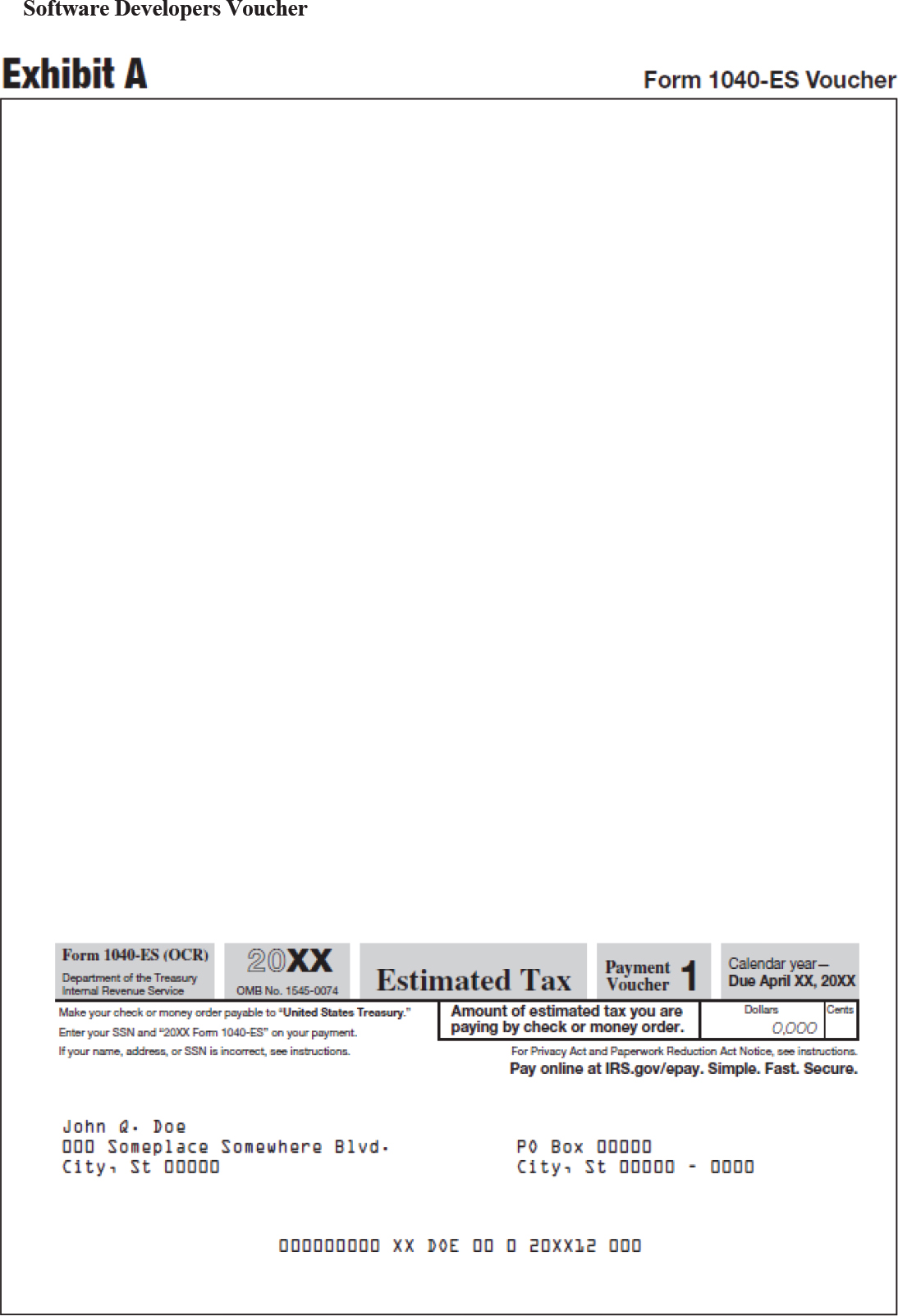
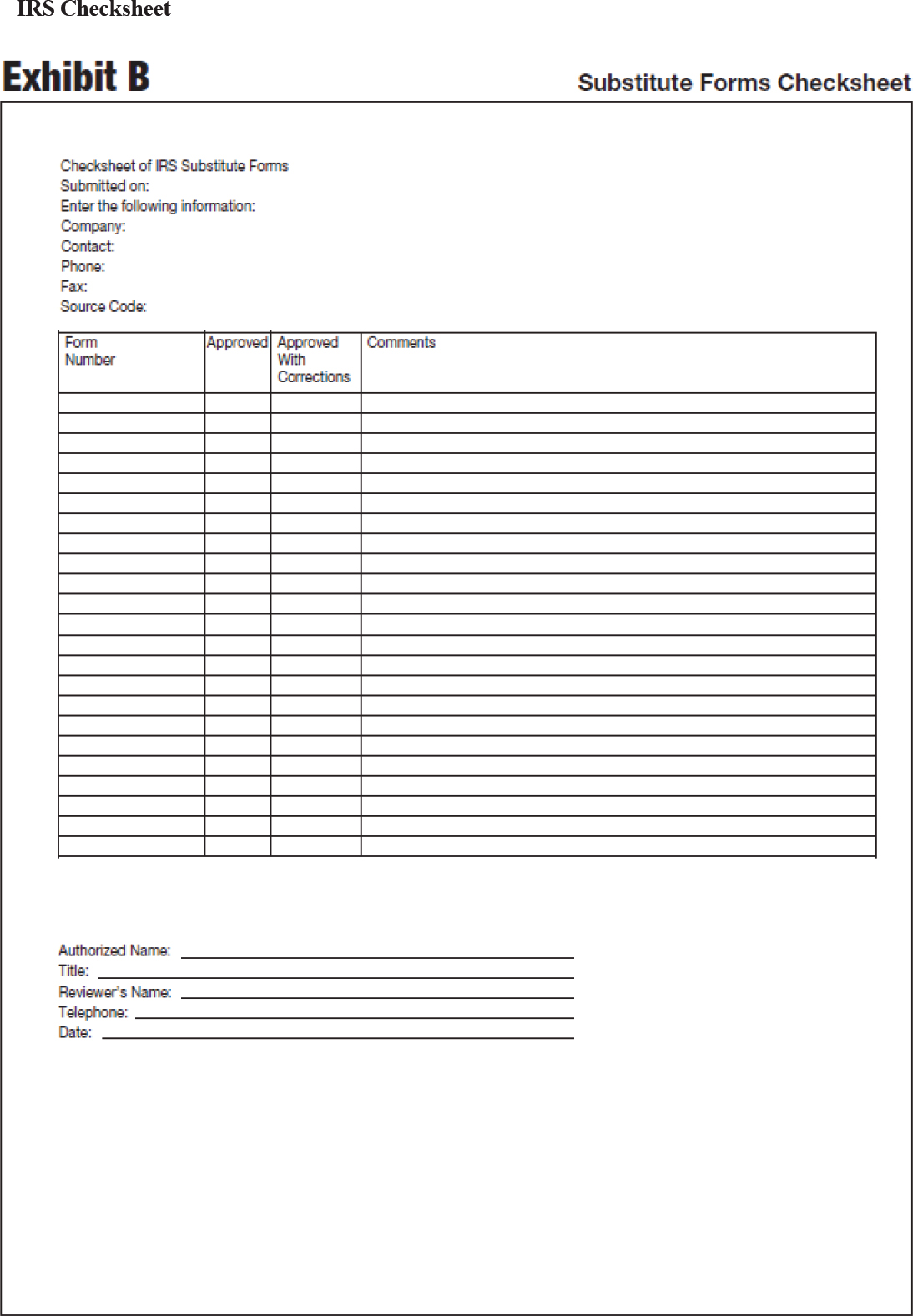
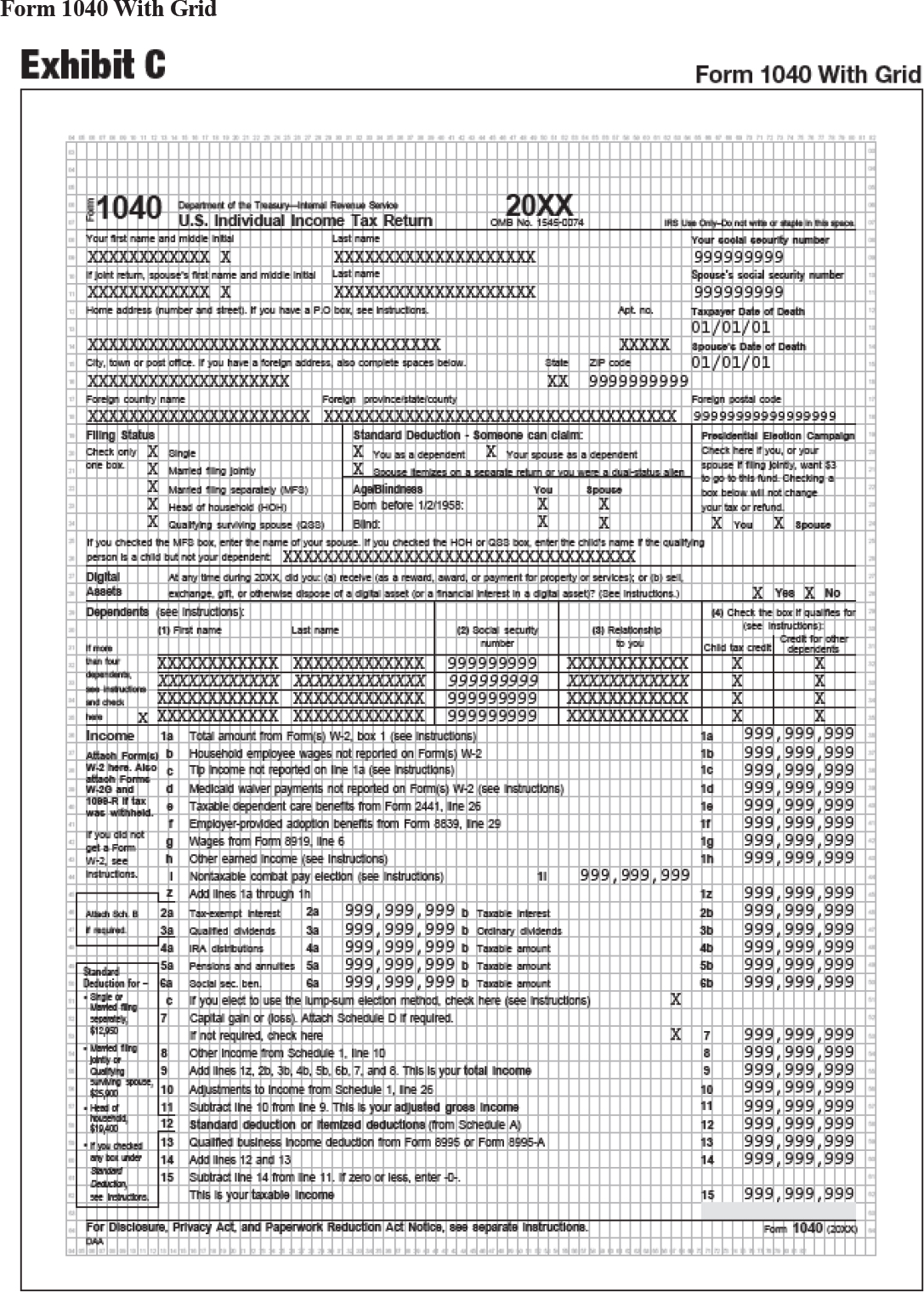
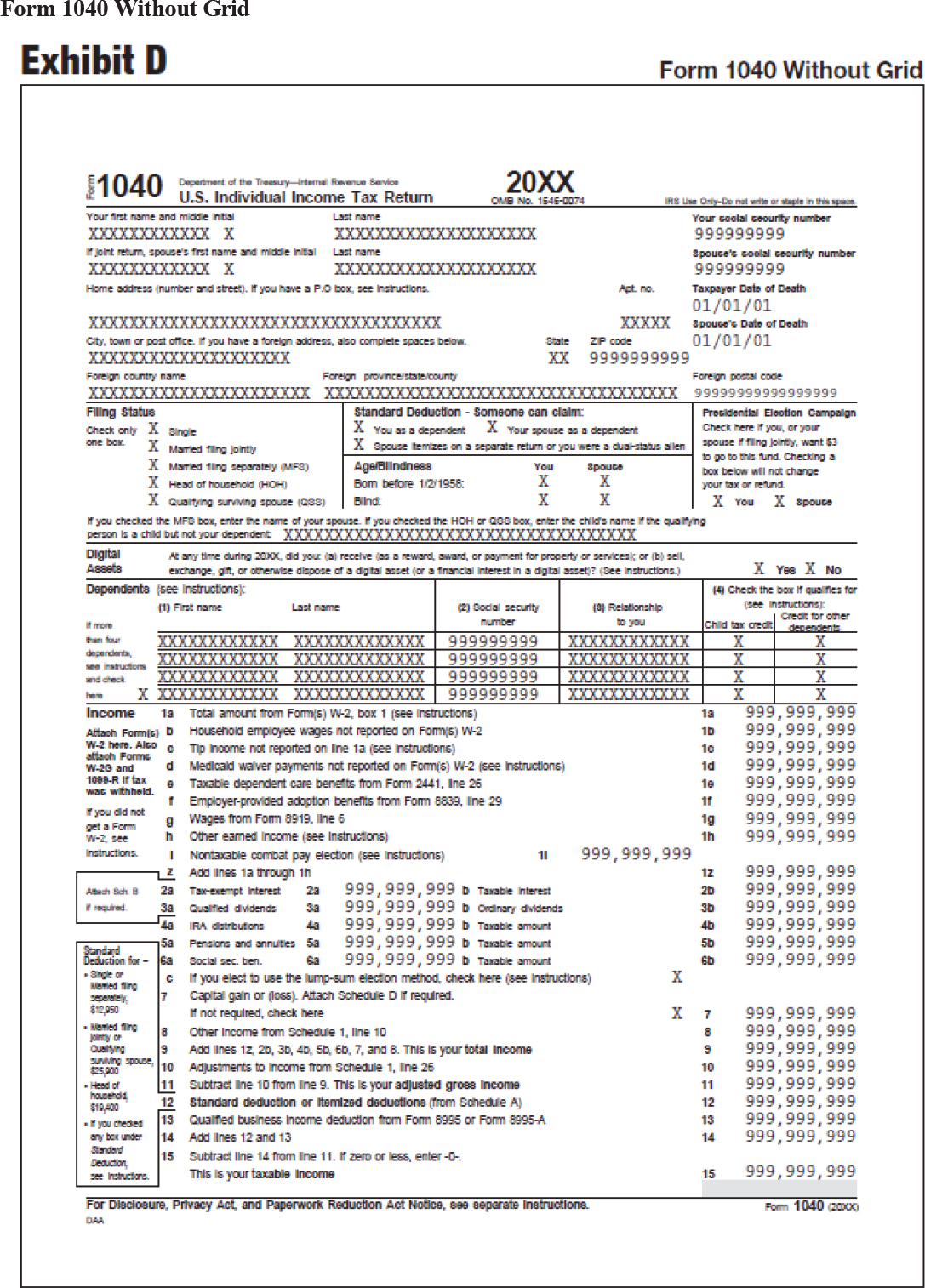
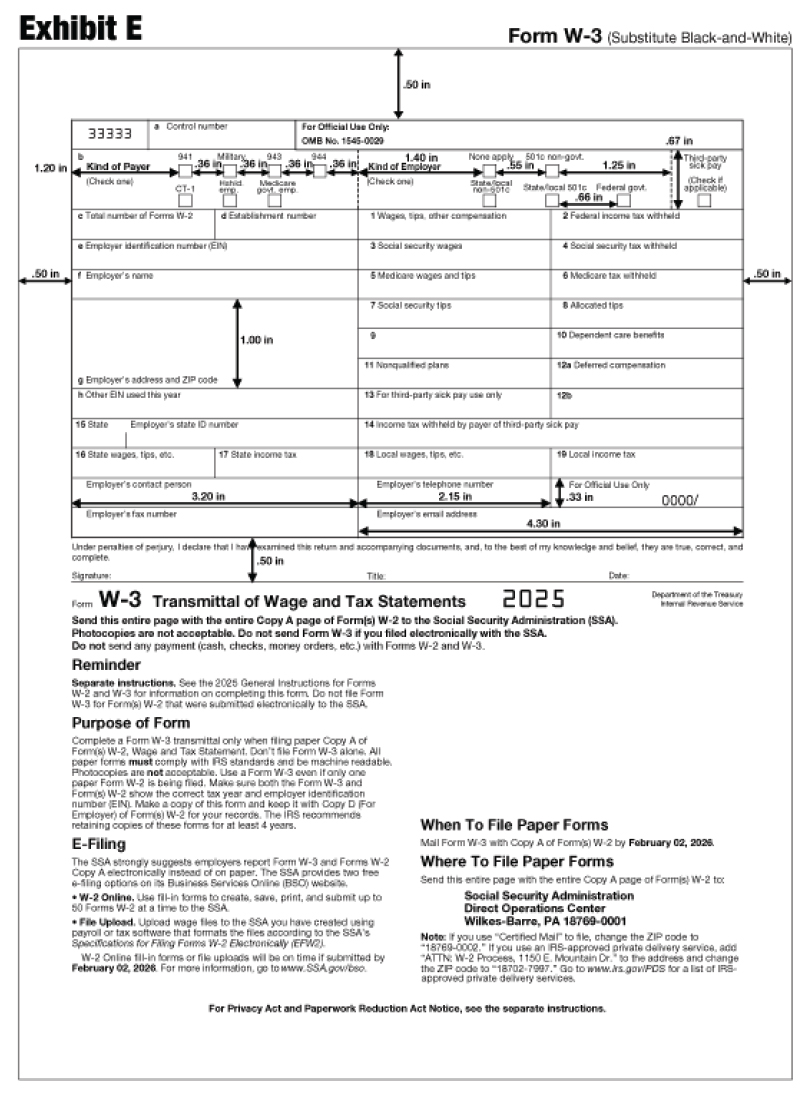
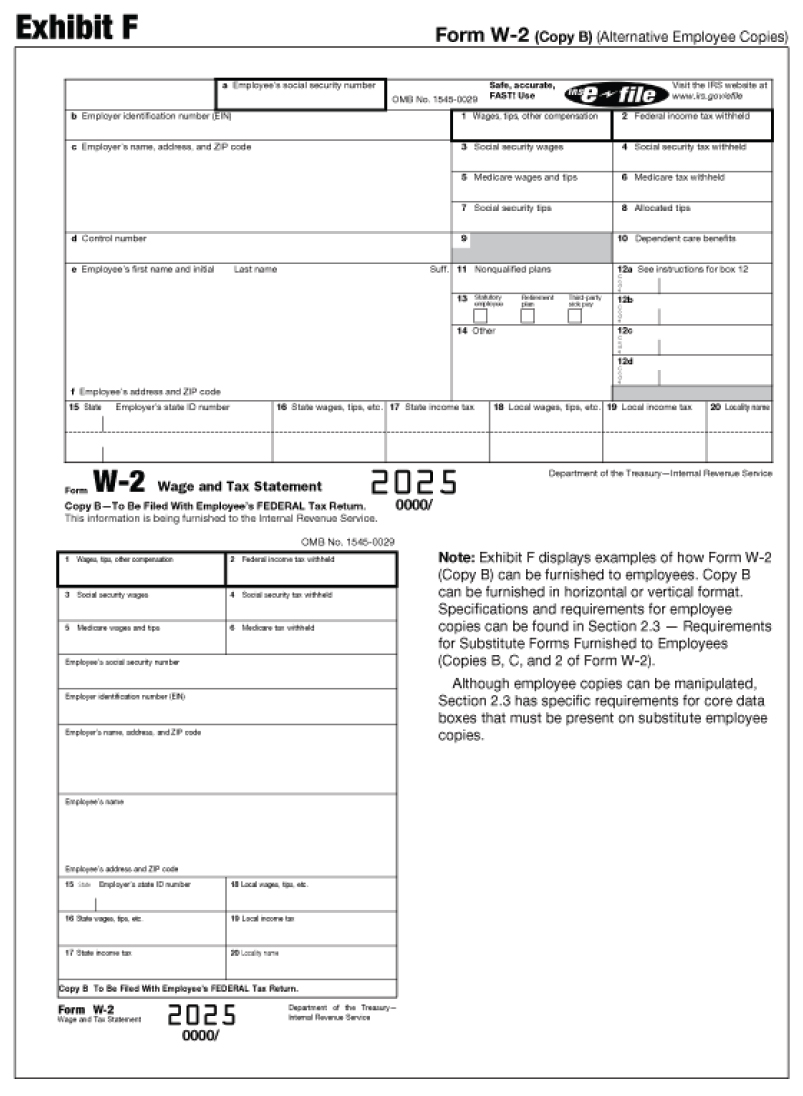
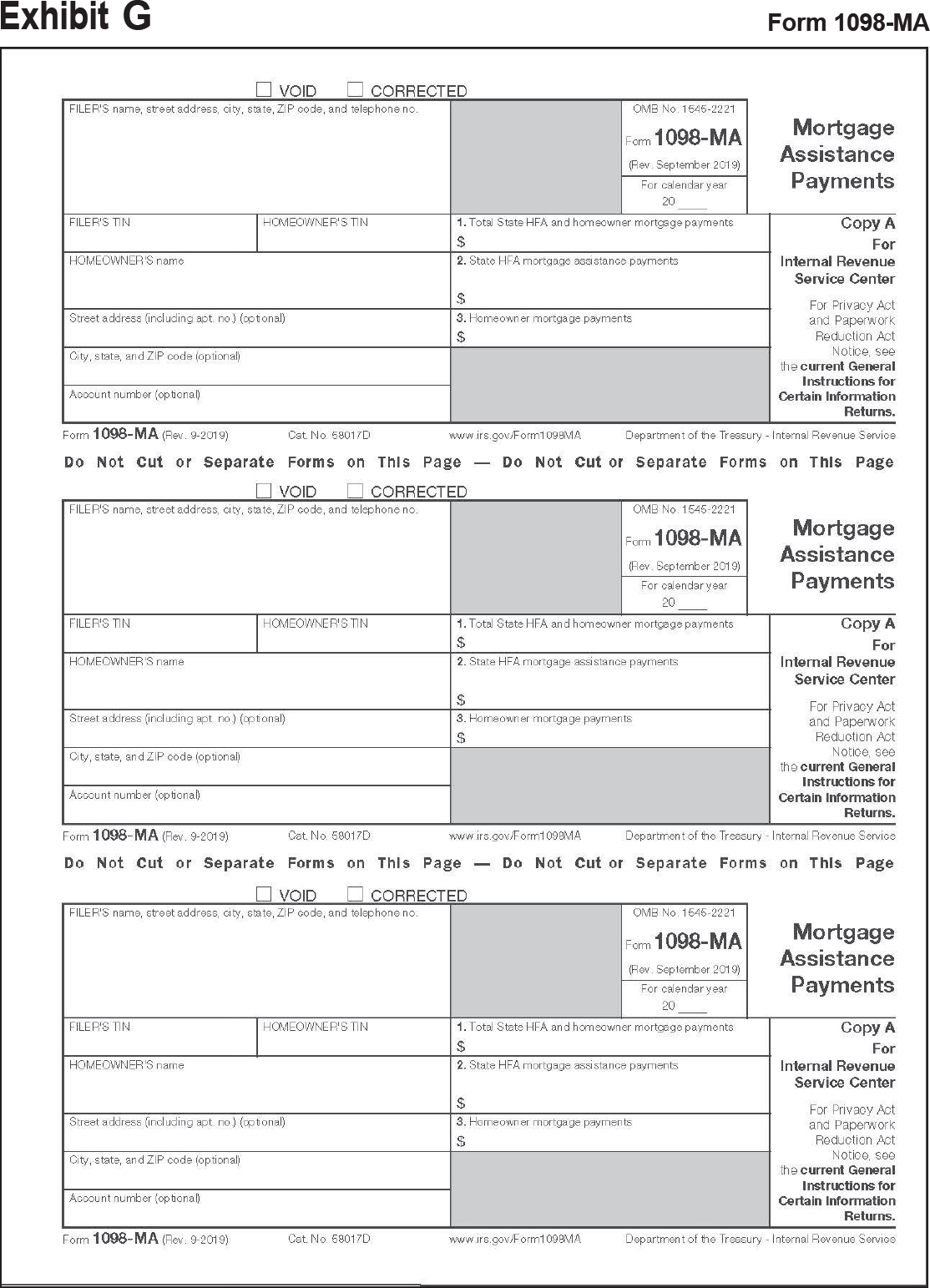
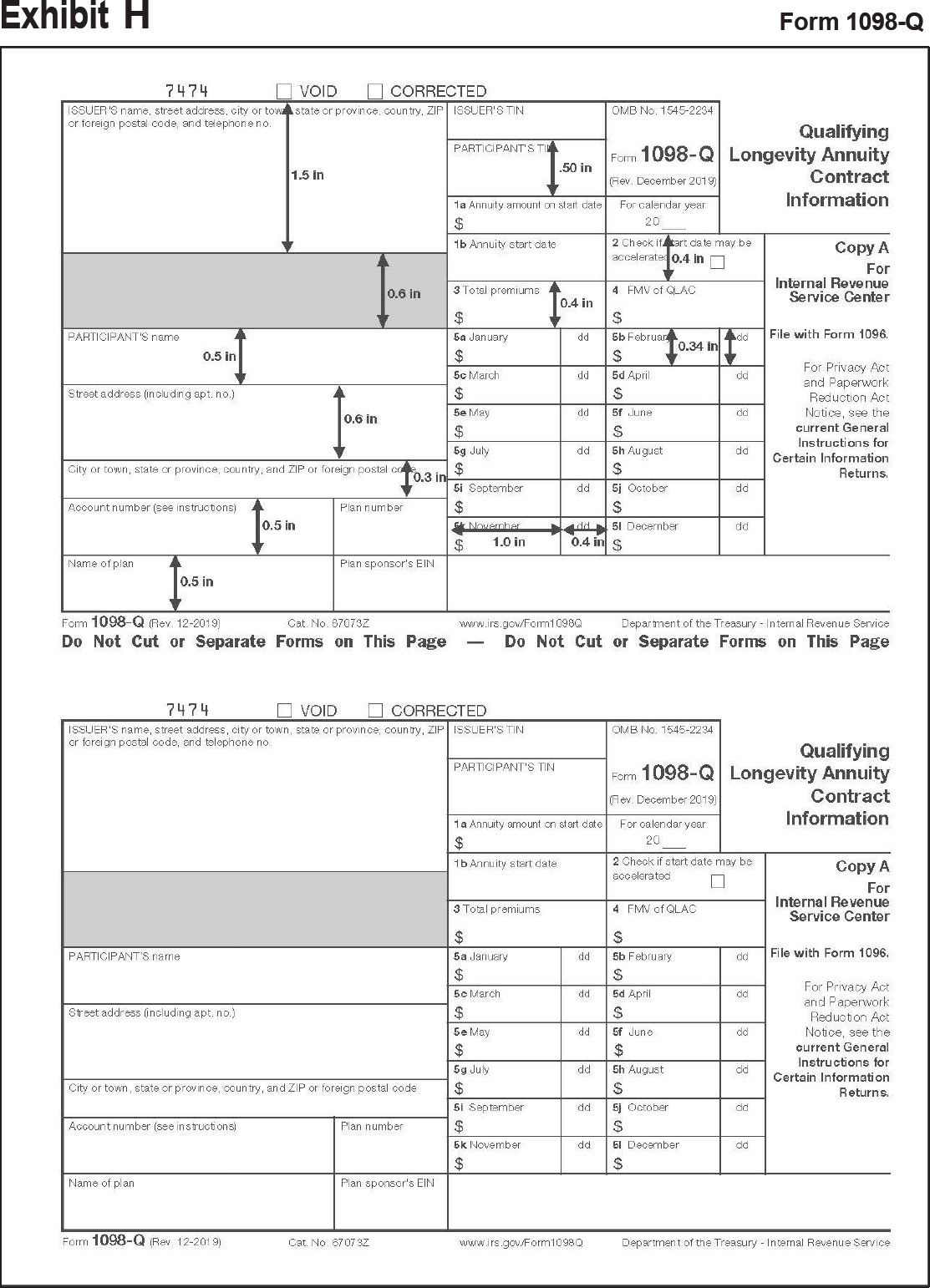
Revenue rulings and revenue procedures (hereinafter referred to as “rulings”) that have an effect on previous rulings use the following defined terms to describe the effect:
Amplified describes a situation where no change is being made in a prior published position, but the prior position is being extended to apply to a variation of the fact situation set forth therein. Thus, if an earlier ruling held that a principle applied to A, and the new ruling holds that the same principle also applies to B, the earlier ruling is amplified. (Compare with modified, below).
Clarified is used in those instances where the language in a prior ruling is being made clear because the language has caused, or may cause, some confusion. It is not used where a position in a prior ruling is being changed.
Distinguished describes a situation where a ruling mentions a previously published ruling and points out an essential difference between them.
Modified is used where the substance of a previously published position is being changed. Thus, if a prior ruling held that a principle applied to A but not to B, and the new ruling holds that it applies to both A and B, the prior ruling is modified because it corrects a published position. (Compare with amplified and clarified, above).
Obsoleted describes a previously published ruling that is not considered determinative with respect to future transactions. This term is most commonly used in a ruling that lists previously published rulings that are obsoleted because of changes in laws or regulations. A ruling may also be obsoleted because the substance has been included in regulations subsequently adopted.
Revoked describes situations where the position in the previously published ruling is not correct and the correct position is being stated in a new ruling.
Superseded describes a situation where the new ruling does nothing more than restate the substance and situation of a previously published ruling (or rulings). Thus, the term is used to republish under the 1986 Code and regulations the same position published under the 1939 Code and regulations. The term is also used when it is desired to republish in a single ruling a series of situations, names, etc., that were previously published over a period of time in separate rulings. If the new ruling does more than restate the substance of a prior ruling, a combination of terms is used. For example, modified and superseded describes a situation where the substance of a previously published ruling is being changed in part and is continued without change in part and it is desired to restate the valid portion of the previously published ruling in a new ruling that is self contained. In this case, the previously published ruling is first modified and then, as modified, is superseded.
Supplemented is used in situations in which a list, such as a list of the names of countries, is published in a ruling and that list is expanded by adding further names in subsequent rulings. After the original ruling has been supplemented several times, a new ruling may be published that includes the list in the original ruling and the additions, and supersedes all prior rulings in the series.
Suspended is used in rare situations to show that the previous published rulings will not be applied pending some future action such as the issuance of new or amended regulations, the outcome of cases in litigation, or the outcome of a Service study.
The following abbreviations in current use and formerly used will appear in material published in the Bulletin.
A—Individual.
Acq.—Acquiescence.
B—Individual.
BE—Beneficiary.
BK—Bank.
B.T.A.—Board of Tax Appeals.
C—Individual.
C.B.—Cumulative Bulletin.
CFR—Code of Federal Regulations.
CI—City.
COOP—Cooperative.
Ct.D.—Court Decision.
CY—County.
D—Decedent.
DC—Dummy Corporation.
DE—Donee.
Del. Order—Delegation Order.
DISC—Domestic International Sales Corporation.
DR—Donor.
E—Estate.
EE—Employee.
E.O.—Executive Order.
ER—Employer.
ERISA—Employee Retirement Income Security Act.
EX—Executor.
F—Fiduciary.
FC—Foreign Country.
FICA—Federal Insurance Contributions Act.
FISC—Foreign International Sales Company.
FPH—Foreign Personal Holding Company.
F.R.—Federal Register.
FUTA—Federal Unemployment Tax Act.
FX—Foreign corporation.
G.C.M.—Chief Counsel’s Memorandum.
GE—Grantee.
GP—General Partner.
GR—Grantor.
IC—Insurance Company.
I.R.B.—Internal Revenue Bulletin.
LE—Lessee.
LP—Limited Partner.
LR—Lessor.
M—Minor.
Nonacq.—Nonacquiescence.
O—Organization.
P—Parent Corporation.
PHC—Personal Holding Company.
PO—Possession of the U.S.
PR—Partner.
PRS—Partnership.
PTE—Prohibited Transaction Exemption.
Pub. L.—Public Law.
REIT—Real Estate Investment Trust.
Rev. Proc.—Revenue Procedure.
Rev. Rul.—Revenue Ruling.
S—Subsidiary.
S.P.R.—Statement of Procedural Rules.
Stat.—Statutes at Large.
T—Target Corporation.
T.C.—Tax Court.
T.D.—Treasury Decision.
TFE—Transferee.
TFR—Transferor.
T.I.R.—Technical Information Release.
TP—Taxpayer.
TR—Trust.
TT—Trustee.
U.S.C.—United States Code.
X—Corporation.
Y—Corporation.
Z—Corporation.
Bulletin 2026–12
Notices:
| Article | Issue | Link | Page |
|---|---|---|---|
| 2026-2 | 2026-02 I.R.B. | 2026-02 | 304 |
| 2026-3 | 2026-02 I.R.B. | 2026-02 | 307 |
| 2026-5 | 2026-02 I.R.B. | 2026-02 | 309 |
| 2026-6 | 2026-02 I.R.B. | 2026-02 | 313 |
| 2026-1 | 2026-04 I.R.B. | 2026-04 | 365 |
| 2026-8 | 2026-04 I.R.B. | 2026-04 | 368 |
| 2026-10 | 2026-04 I.R.B. | 2026-04 | 378 |
| 2026-11 | 2026-06 I.R.B. | 2026-06 | 491 |
| 2026-12 | 2026-06 I.R.B. | 2026-06 | 496 |
| 2026-13 | 2026-06 I.R.B. | 2026-06 | 499 |
| 2026-9 | 2026-07 I.R.B. | 2026-07 | 534 |
| 2026-7 | 2026-11 I.R.B. | 2026-11 | 637 |
| 2026-14 | 2026-11 I.R.B. | 2026-11 | 654 |
| 2026-15 | 2026-11 I.R.B. | 2026-11 | 658 |
| 2026-16 | 2026-11 I.R.B. | 2026-11 | 685 |
| 2026-17 | 2026-12 I.R.B. | 2026-12 | 698 |
Proposed Regulations:
| Article | Issue | Link | Page |
|---|---|---|---|
| REG-101952-24 | 2026-03 I.R.B. | 2026-03 | 345 |
| REG-110519-25 | 2026-03 I.R.B. | 2026-03 | 353 |
| REG-132251-11; REG-134219-08 | 2026-03 I.R.B. | 2026-03 | 358 |
| REG-103430-24 | 2026-05 I.R.B. | 2026-05 | 447 |
| REG-112829-25 | 2026-05 I.R.B. | 2026-05 | 452 |
| REG-113515-25 | 2026-05 I.R.B. | 2026-05 | 455 |
| REG-121244-23 | 2026-09 I.R.B. | 2026-09 | 579 |
Revenue Procedures:
| Article | Issue | Link | Page |
|---|---|---|---|
| 2026-1 | 2026-01 I.R.B. | 2026-01 | 1 |
| 2026-2 | 2026-01 I.R.B. | 2026-01 | 119 |
| 2026-3 | 2026-01 I.R.B. | 2026-01 | 143 |
| 2026-4 | 2026-01 I.R.B. | 2026-01 | 160 |
| 2026-5 | 2026-01 I.R.B. | 2026-01 | 258 |
| 2026-6 | 2026-02 I.R.B. | 2026-02 | 314 |
| 2026-7 | 2026-02 I.R.B. | 2026-02 | 316 |
| 2026-8 | 2026-04 I.R.B. | 2026-04 | 380 |
| 2026-9 | 2026-04 I.R.B. | 2026-04 | 393 |
| 2026-10 | 2026-04 I.R.B. | 2026-04 | 394 |
| 2026-12 | 2026-07 I.R.B. | 2026-07 | 535 |
| 2026-13 | 2026-09 I.R.B. | 2026-09 | 563 |
| 2026-11 | 2026-12 I.R.B. | 2026-12 | 707 |
1 A cumulative list of all revenue rulings, revenue procedures, Treasury decisions, etc., published in Internal Revenue Bulletins 2025–27 through 2025–52 is in Internal Revenue Bulletin 2024–52, dated December 22, 2024.
The Introduction at the beginning of this issue describes the purpose and content of this publication. The weekly Internal Revenue Bulletins are available at www.irs.gov/irb/.
If you have comments concerning the format or production of the Internal Revenue Bulletin or suggestions for improving it, we would be pleased to hear from you. You can email us your suggestions or comments through the IRS Internet Home Page www.irs.gov) or write to the
Internal Revenue Service, Publishing Division, IRB Publishing Program Desk, 1111 Constitution Ave. NW, IR-6230 Washington, DC 20224.